Custom Kids Closets
Kids’ bedrooms don’t need to look like a tornado has just passed through. From tots to teens, our custom designed closets and cabinet solutions are practical, efficient, flexible, and beautifully functional. Take care of everything, from toy storage and play areas, to student desks and reading nooks.


Kids’ Closet Organizers
A kid’s room never stays the same for long. A crib gives way to a twin bed around age three. The bookshelves arrive when reading does, near kindergarten.
STOR-X builds kids closet organizers and room storage on adjustable hardware instead, so a single system spans age three to eighteen. Rods, shelves, and drawers all reposition, and because they start within reach, a four-year-old can hang up their own coat rather than hand it over.
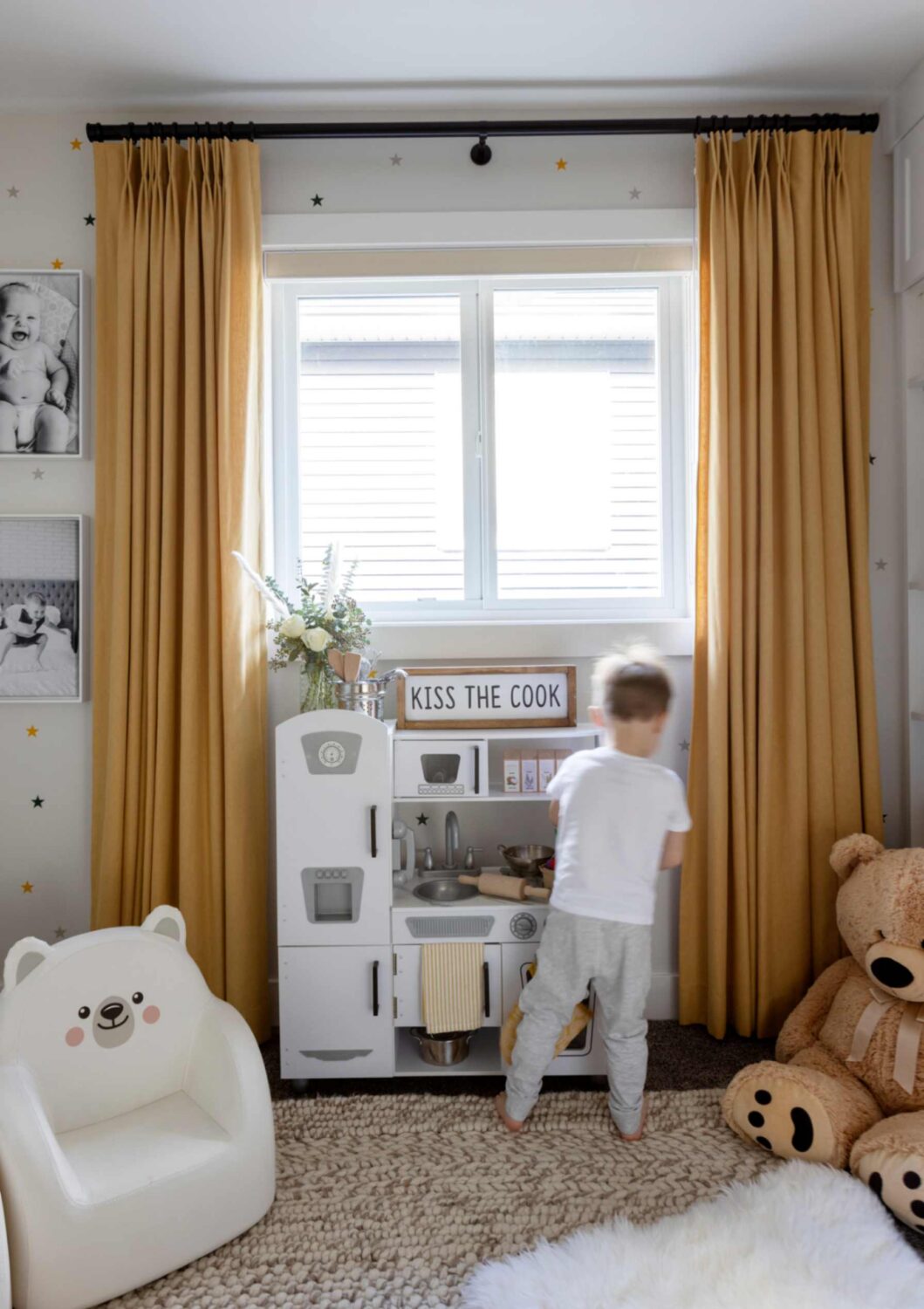
Storage That Grows With Them
A custom design is starting to pay dividends here more than 10 years after its conception, not a weekend. The clothes will be within a three-year-old’s reach when a rod hangs at 28-32 inches, and at about 60 inches for a fifteen-year-old. Shelves move on 32 mm centres so the first year one 24″ bay is used for folded sleepers, the second year for 6 labelled bins, and by the high school, 14 pairs of shoes; with no new holes being drilled into the panel.
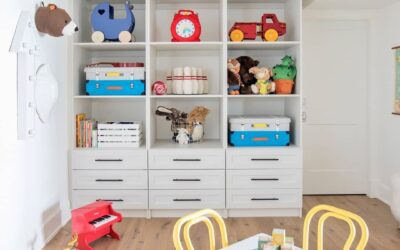
A 16-inch-deep bench can seat a child while lacing shoes and holds them underneath for storage. Closed front drawers conceal clutter; open shelves at eye level reveal what is worth looking at. That’s a cabinet run and it’s rerun several times throughout a whole childhood.
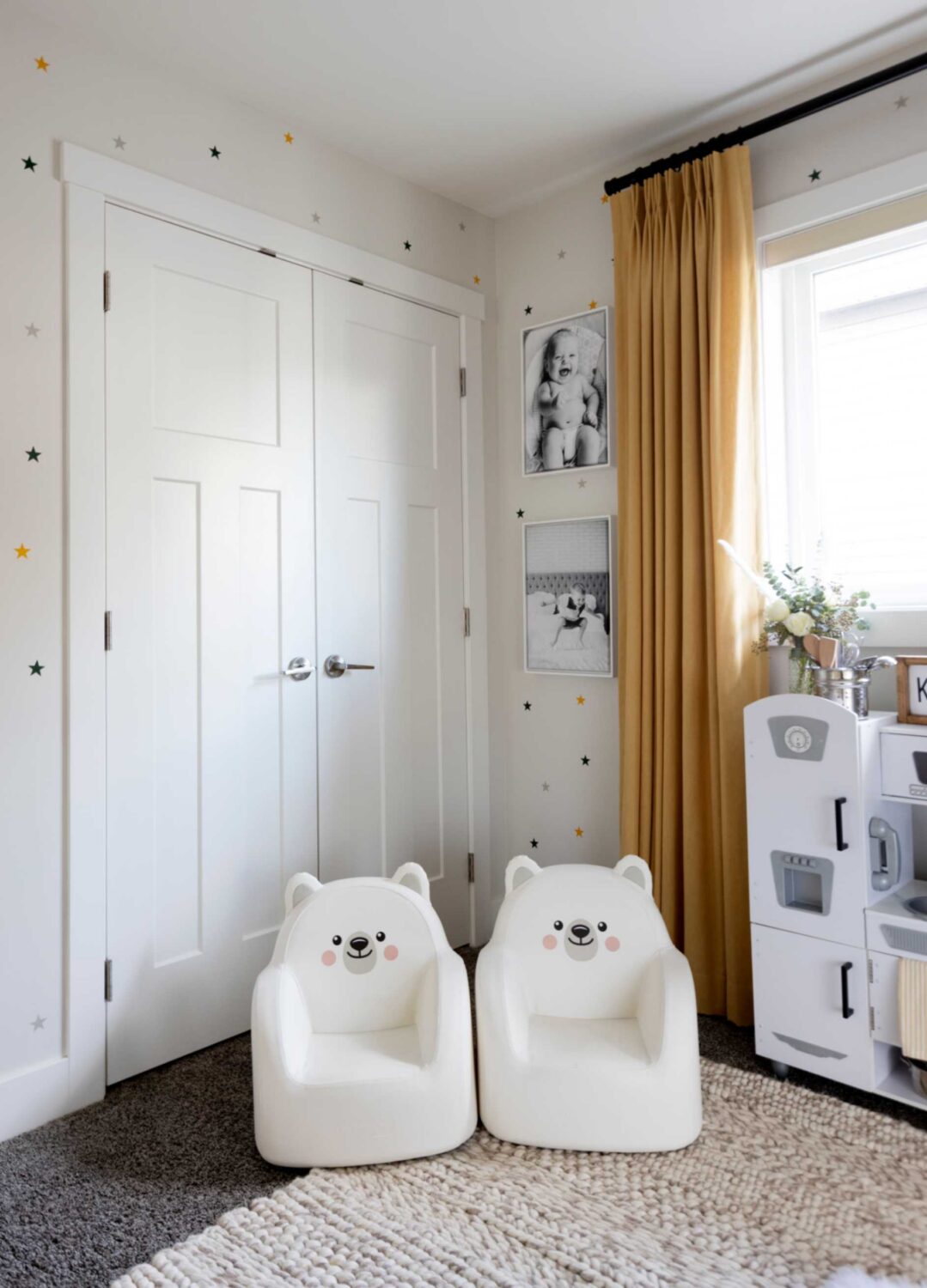
A Place to Sleep, Play, and Study
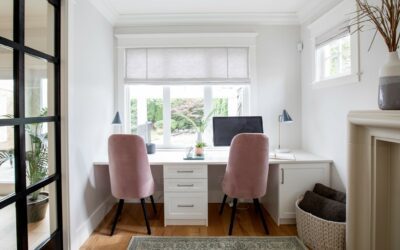
A single bedroom often serves as playroom, study, and sleeping space at once, usually inside 100 to 130 square feet. Zoning is the only way that math works. A custom kids room storage solution runs storage vertically up an eight- or nine-foot wall to keep the floor open, then folds a 36-inch desk into the end of the closet run or beneath a loft bed raised to 60 inches. Toy bins sit at 18 to 24 inches while a child is small enough to need them there. When homework arrives, those low bins come out, and closed cabinets, a pinboard, and task lighting go in above the desk.
Featured design solutions for Kids Room
Our custom closets and cabinet storage solutions are designed to both look great and work for the way you want to use your space. Choose accessories and finishes that add both style and functionality.


Product Name
Content


Accessorize your space
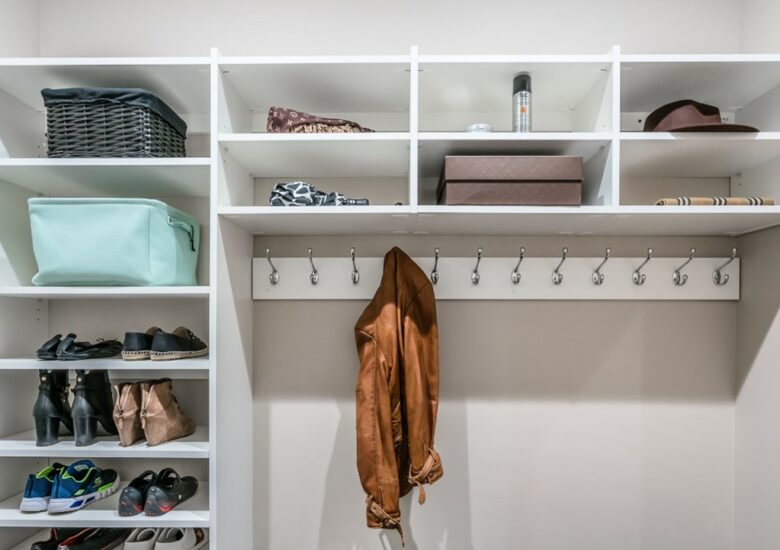
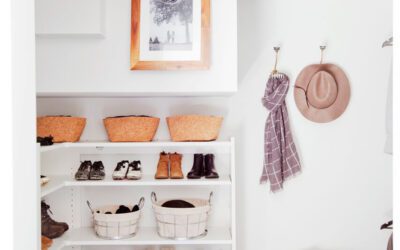
A kids storage organizer only works if a child can operate it without help. Bins under two pounds empty are light enough for a five-year-old to carry, and a label window on the front means pyjamas turn up without opening three drawers. Coat hooks set at 40 inches catch a backpack a second-grader can hang unassisted. A 36-inch bench doubles as seating and a toy chest. Trophies and keepsakes go on 8-inch glass or floating shelves. Each piece swaps out as a child moves from building blocks to homework to a first pay-cheque’s worth of sneakers.


Finish it right
Finishes add character to the room without having to commit it to a style that is sure to be outgrown soon. A matte white will make smaller rooms look lighter and brighter, while a high-gloss finish will show fingerprints and smudges. Use a single drawer front or some colour accents to draw the eye and to be interchangeable to suit their evolving tastes. Brushed nickel or matte gold hardware elements retain the cabinetry’s sense of refinement and add a touch of furniture to the cabinetry design, allowing the design to evolve as the cabinetry is used through the teen years.
Frequently Asked Questions
What is the best closet system for a kids’ room?
An adjustable one. Because a child’s storage needs shift roughly every two years, a closet with rods that relocate and shelves that move on 32-millimetre centres runs from age three to eighteen without a rebuild. Prioritise a starting rod height near 30 inches, storage a child can reach unaided, and a mix of bins and shelves that reconfigure as clothing sizes climb. A fixed kit sized once rarely survives two growth stages.
How can I maximize storage in a small kids’ bedroom?
Use vertical space and the walls. Shelving taken to the ceiling, cabinets bridged over the bed, and a loft bed raised to 60 inches with a desk beneath it reclaim floor a 10-by-11 room cannot spare. What is left open is where a child actually plays. Give clothes, toys, and books each a defined zone, and 110 square feet holds far more than it appears to.
How can I create a study area in a small kids’ bedroom?
A study zone needs about four feet of wall. A 36-inch built-in desk set into the closet run, or under a loft bed at 60 inches, creates a work surface without eating the room. Add two shelves above for texts and supplies, a task light around 450 lumens, and a shallow drawer for pens, and a full homework station tucks into space the storage was already using.
Is it cheaper to build or buy a closet system?
A store-bought or DIY closet kit costs less up front, and it can make sense for a rental or a short-term fix. A custom system costs more at the start, but it’s built to the exact size of the room and adjusts as your child grows, so it isn’t replaced every few years the way a box store unit often is. Over the years a child spends in that room, the cost difference gets much smaller.