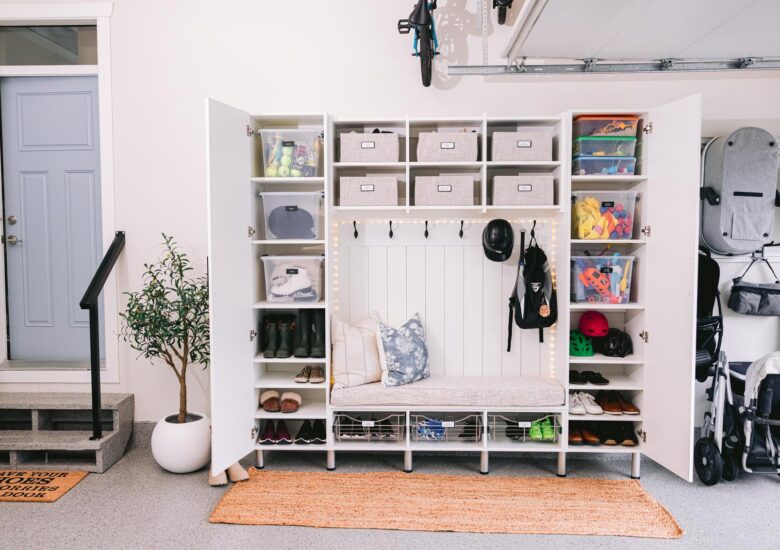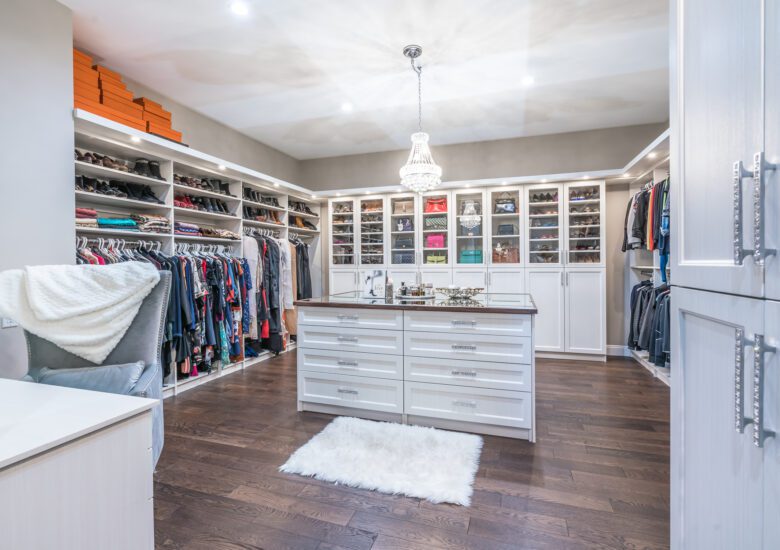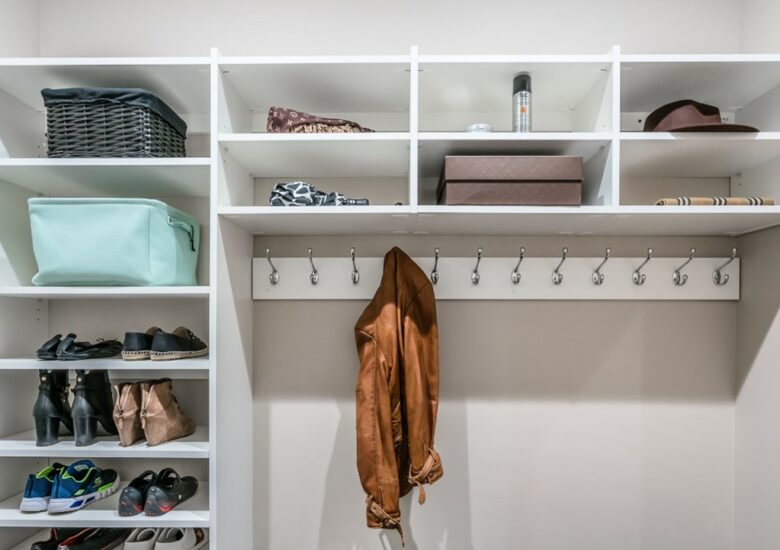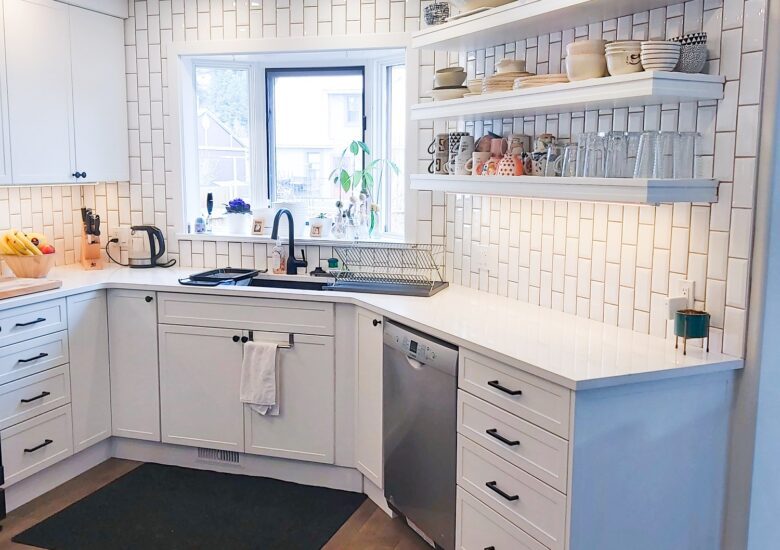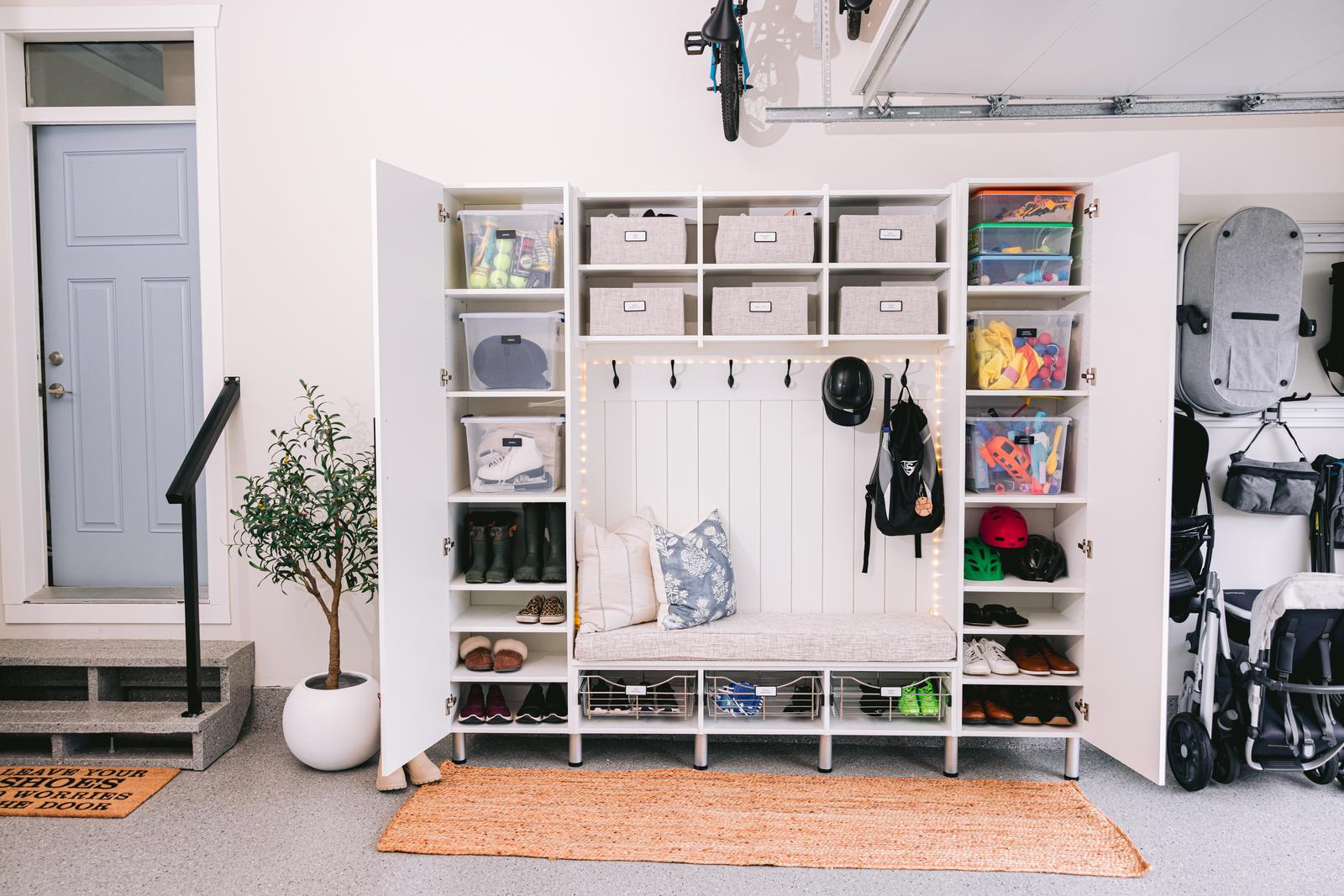
In most houses, that somewhere is about the size of a closet.
You can get by with hooks and a shoe rack from the hardware store for a while. Sooner or later, though, most families run out of room. This guide is about what actually helps: the mudroom design ideas worth doing, and how to make them fit if your entry is on the small side.
Are Custom Mudroom Cabinets Worth It for Canadian Homes?
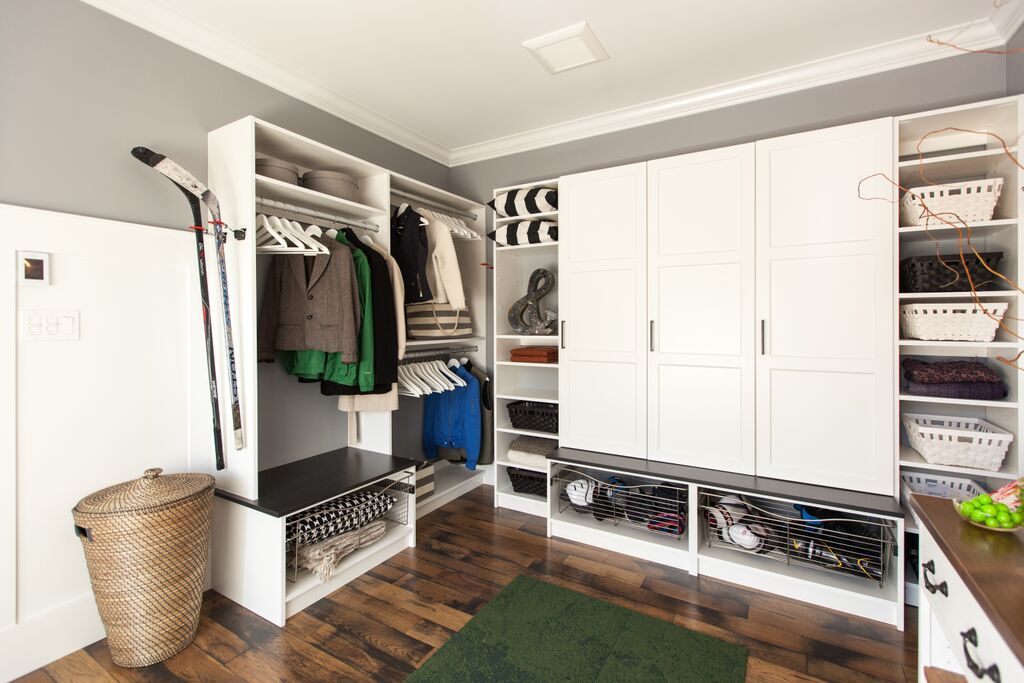
Whether it’s months of BC rain, a prairie winter that won’t quit or slush season out east, Canadian entryways take a beating. Two hooks and a mat can’t keep up. Every STOR-X mudroom is designed by a local consultant and built in Richmond, BC, for the weather you actually live with.
The main advantage is fit. Custom mudroom cabinets are made to the exact size of your entry, so they can work around the door swing, a heating vent or a light switch that’s in the way. You can also set each person’s section at the right height for them. With kids, that’s what decides whether they use it or not.
With STOR-X®, your designer plans the layout and shows it to you in 3D before anything is made. Nothing is pre-made. Every piece is cut for your project and labelled with the room and wall it belongs on, and most single-room projects like a mudroom take half a day to a day to install.
What Makes a Mudroom Functional During Canadian Winters?
It keeps wet gear and dry gear apart, even when the whole family is coming and going.
Think about a typical winter weekend. People are in and out all day, and each trip brings in more snow. The boots need somewhere to drain. The mitts have to be dry again by Monday. The coats that stayed dry shouldn’t end up next to the ones that didn’t. If there’s a set place for each of those, the floor stays clear.
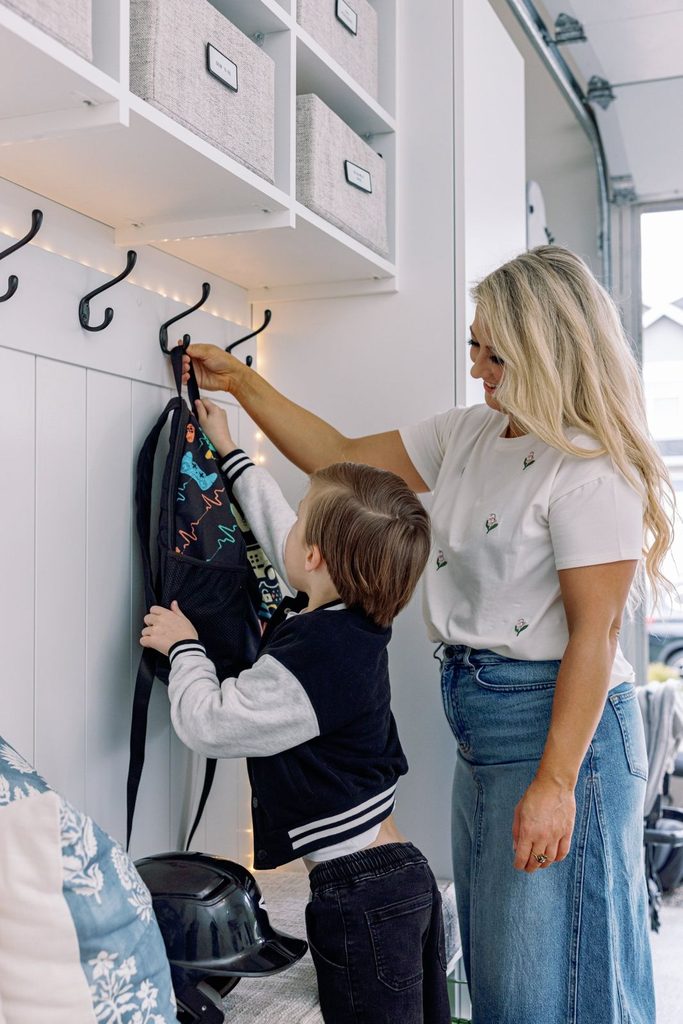
And it has to be easy. Kids won’t open a cabinet and look for the right bin every time they come in, but they will use a hook at their height.
How Can You Create a Drying Space for Wet Winter Gear?
Anything that comes in wet should go somewhere open. Air is what dries it, and air can’t get into a closed cabinet.
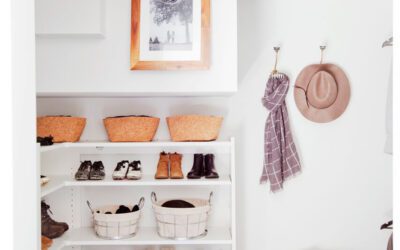
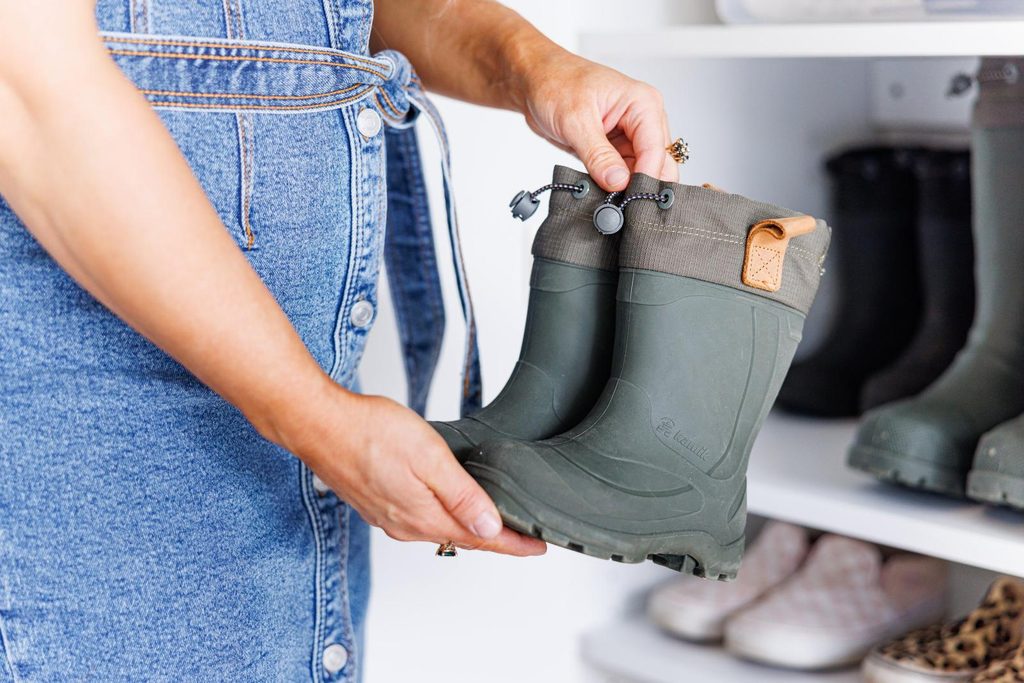
Coats and snow pants are easiest on hooks, and two rows, one high and one lower, mean the kids can hang up their own. Hats and mitts can go on hooks as well. An open cubby works too, as long as they aren’t stuffed in on top of each other. For boots, the best spot is an open shelf or cubby down near the floor, with a mat under it for the meltwater.
Try to set this area a little way back from any closed cabinets, so the drips don’t travel. And if a cabinet does get wet, wipe it dry. STOR-X® recommends cleaning with a damp cloth, then drying the surface, and says not to leave liquid sitting on it, because water damage isn’t covered by the warranty.
How Do You Organize Winter Boots, Coats and Accessories in a Mudroom?
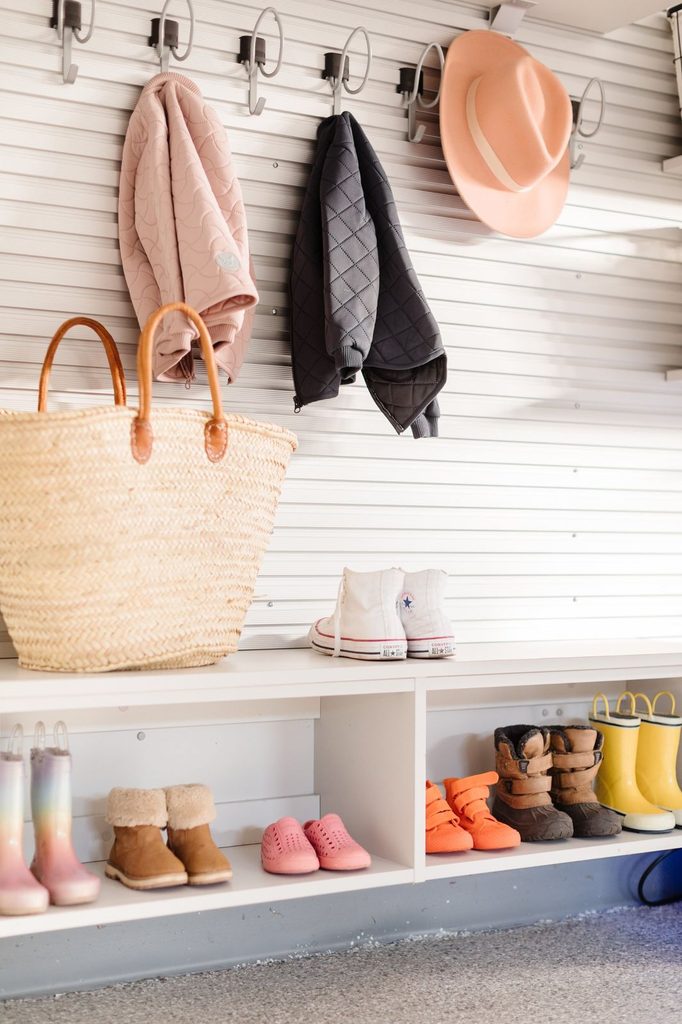
Start with one section per person. Then decide what goes where based on how often it’s used.
Mudroom lockers are open sections, one for each member of the family. Each has a couple of hooks, a shelf at the top and room for shoes at the bottom. Coats, backpacks and boots go at reach height because they’re used every day. Things like spare mitts, sunglasses and the dog’s leash can go on the shelf.
A lot of families like a mudroom bench and hooks setup. The bench gives you somewhere to sit while you get your boots on, there’s storage underneath, and the hooks keep coats within reach. If you have young children, keep the bench low. A Boston Globe design column suggests no higher than about 16 inches, so kids can keep their feet on the floor while they sit.
Adjustable shoe shelves are useful for the same reason. Kids’ boots get bigger from one winter to the next, and the shelves can be moved to fit.
How Do You Maximize Storage in a Small Mudroom?
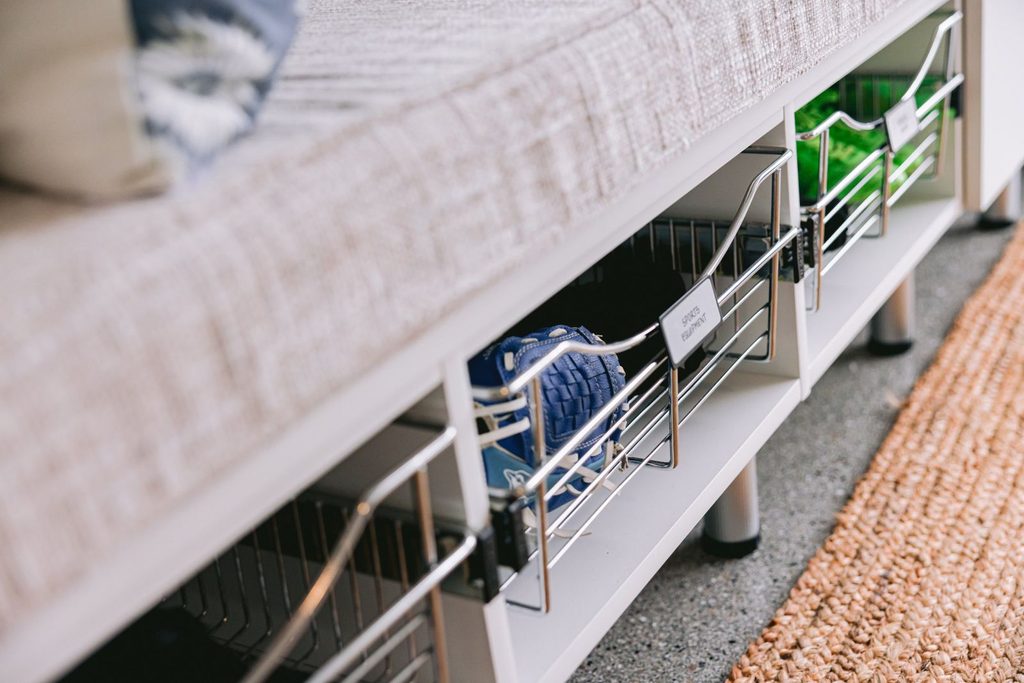
Use the wall all the way up. Most small mudroom ideas come back to the space above the hooks, which usually sits empty.
Add a shelf or a cabinet near the ceiling for gear you only need some of the year. Keep the hooks on the back wall and an open boot shelf down by the floor. If there’s a narrow piece of wall next to the door, put a few extra hooks there, or a slim shelf for keys and mail.
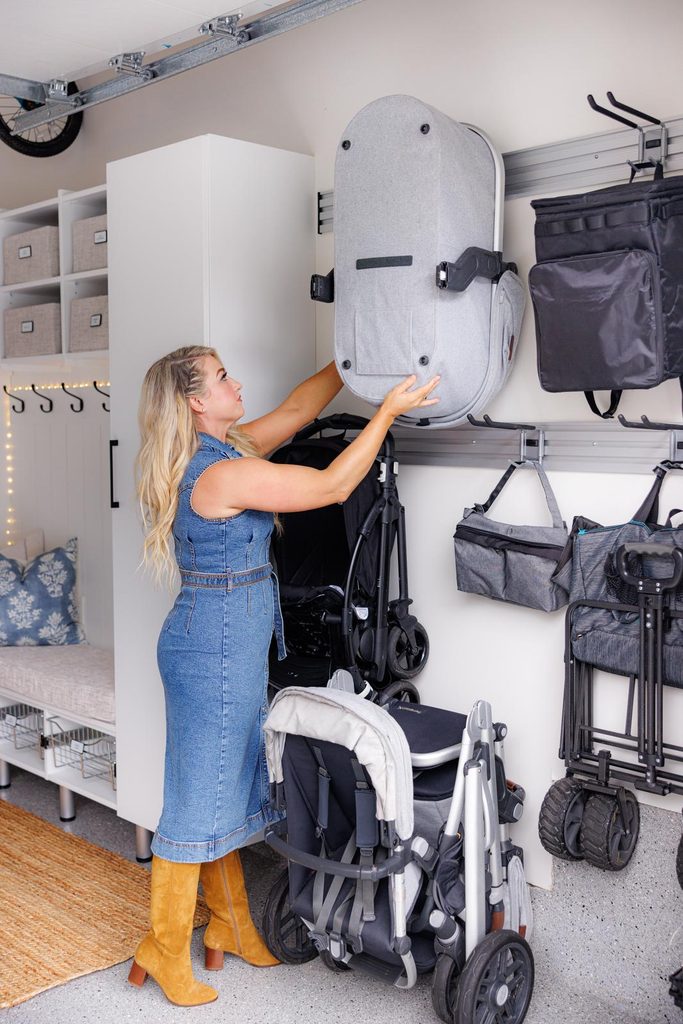
Not every entry has room for a bench, and that’s fine. Hooks, a boot shelf and some storage up high will still give you a mudroom that works. If your mudroom is also the door in from the garage, look at STOR-Trax wall storage. It’s usually a garage system, but on a mudroom wall it gets boots, bags and gear off the floor and gives wet things a place to dry.
Mudroom Storage Ideas for Canadian Homes
These mudroom storage ideas work well where winter lasts a long time:
- Hooks at two heights, one row for adults and a lower one for kids.
- An open boot shelf near the floor, with a mat underneath for the slush.
- A shelf above the hooks for hats, mitts and scarves, with a spot for each person.
- A closed cabinet up high for the things you only need part of the year.
- A small drop zone for keys and mail.
- Adjustable shelves, so the layout can change as your kids grow.
Most of these are winter entryway storage ideas at heart. The wet things stay low and open, and the dry things go higher up.
Should Winter Boots Be Stored on Open Shelves or in Closed Cabinets?
Open shelves, in most cases. Wet boots need air around them to dry, and a closed cabinet slows that down.
Closed cabinets are better for things that are already dry, like off-season gear, spare shoes and cleaning supplies. Many mudrooms use both, with open storage for everyday boots near the floor and cabinets above.
Mudroom Ideas Near You
Homes across Canada have every kind of entry, from small ones in older houses to large ones in new builds, and both can make great mudrooms. Local STOR-X® owners design and install mudrooms in Vancouver, North Vancouver, Langley, Calgary, Edmonton and other communities. Your local STOR-X® owner designs it with you, our Richmond, BC team manufactures it, and your local owner installs it.
Book a complimentary consultation, in person or virtual. It helps to tell your designer who uses the entry and what comes through it in winter.
Frequently Asked Questions
Can a mudroom be added to a home without a separate entryway?
Often, yes. An entry closet, the wall by the garage door or part of a laundry room can usually be turned into a mudroom. A wall and a plan are usually enough to start.
Can custom mudroom storage be installed in an existing entryway?
Yes, and that’s how most of them start. Your designer measures the entry you have and plans around it. If there’s an old system in there, your local STOR-X® franchise can remove it for an additional cost. Repainting the space isn’t part of the service.
How can I prevent moisture and odours in mudroom cabinets?
Let things dry before they go into a cabinet. Hang boots, mitts and coats on open hooks and shelves first, wipe up any water that gets on the cabinets, and clean the mats now and then.
How deep should mudroom cabinets be for winter coats and boots?
According to Plank and Pillow, most mudroom lockers are between 15 and 24 inches deep, and 18 to 20 inches is a common choice. Your designer will adjust that for your space and what you’re storing.
How much does a custom mudroom cost in Canada?
That depends on the size of the space, the number of sections and what goes in them. Your local designer works with your space, budget and goals. A design can be practical and functional, or include every feature you can imagine. Pricing is set once the design reflects what you want.
Should winter boots be stored in open shelves or closed cabinets?
On open shelves, usually. Wet boots need air to dry, so closed cabinets are better left for things that are already dry.
What is the best way to organize a mudroom for a family of four?
Start with four sections, one for each person, each with a hook, a shelf and room for shoes. Set the kids’ sections lower. Then add an open boot shelf near the floor, a drop zone for keys and mail, and closed storage up high for things you don’t need every day.
Related Articles